

Common Myths About In-Game Advertising and What the Research Shows
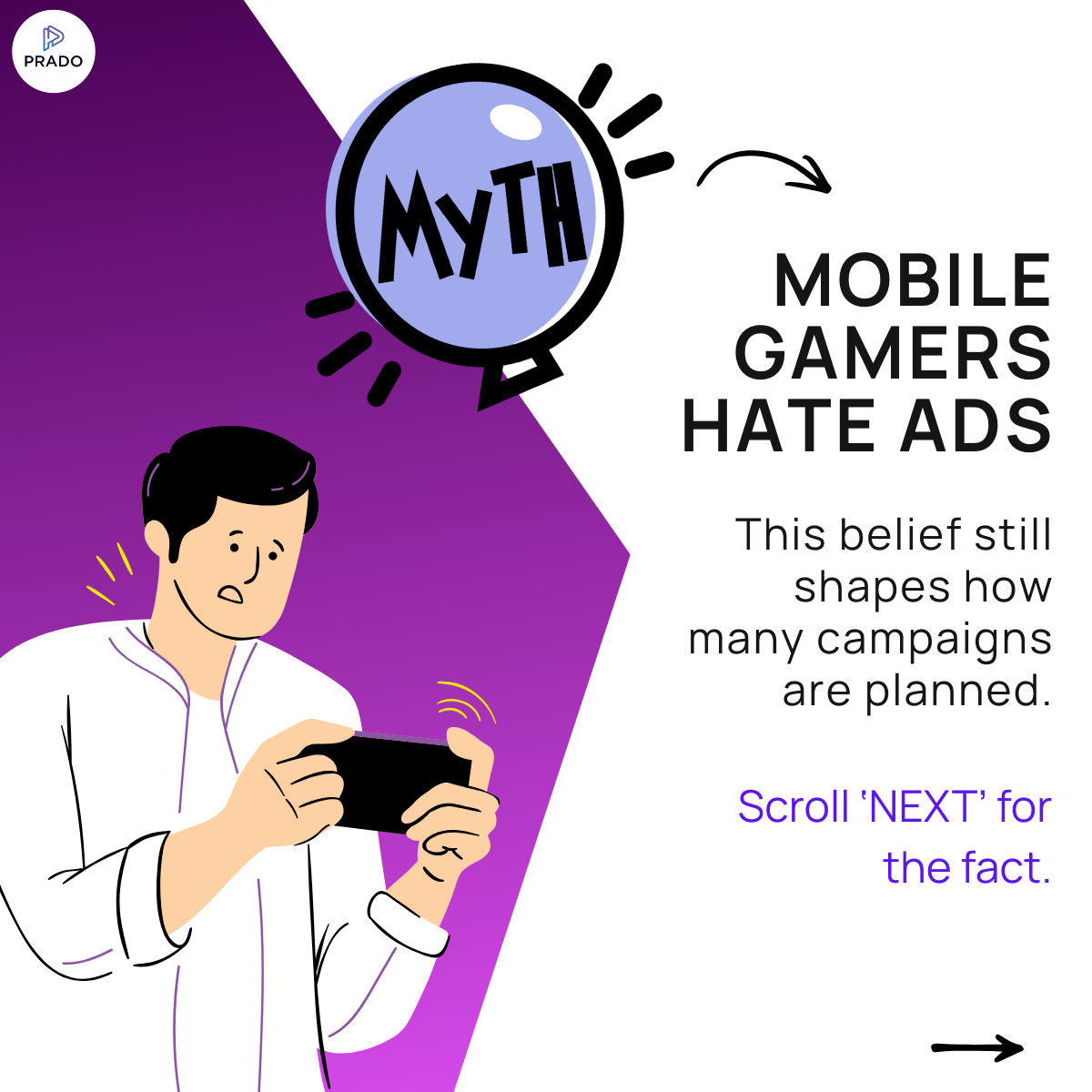
A persistent belief in mobile advertising is that gamers inherently dislike ads. This assumption still shapes how many campaigns are planned today. But industry research consistently shows that this belief is incomplete.
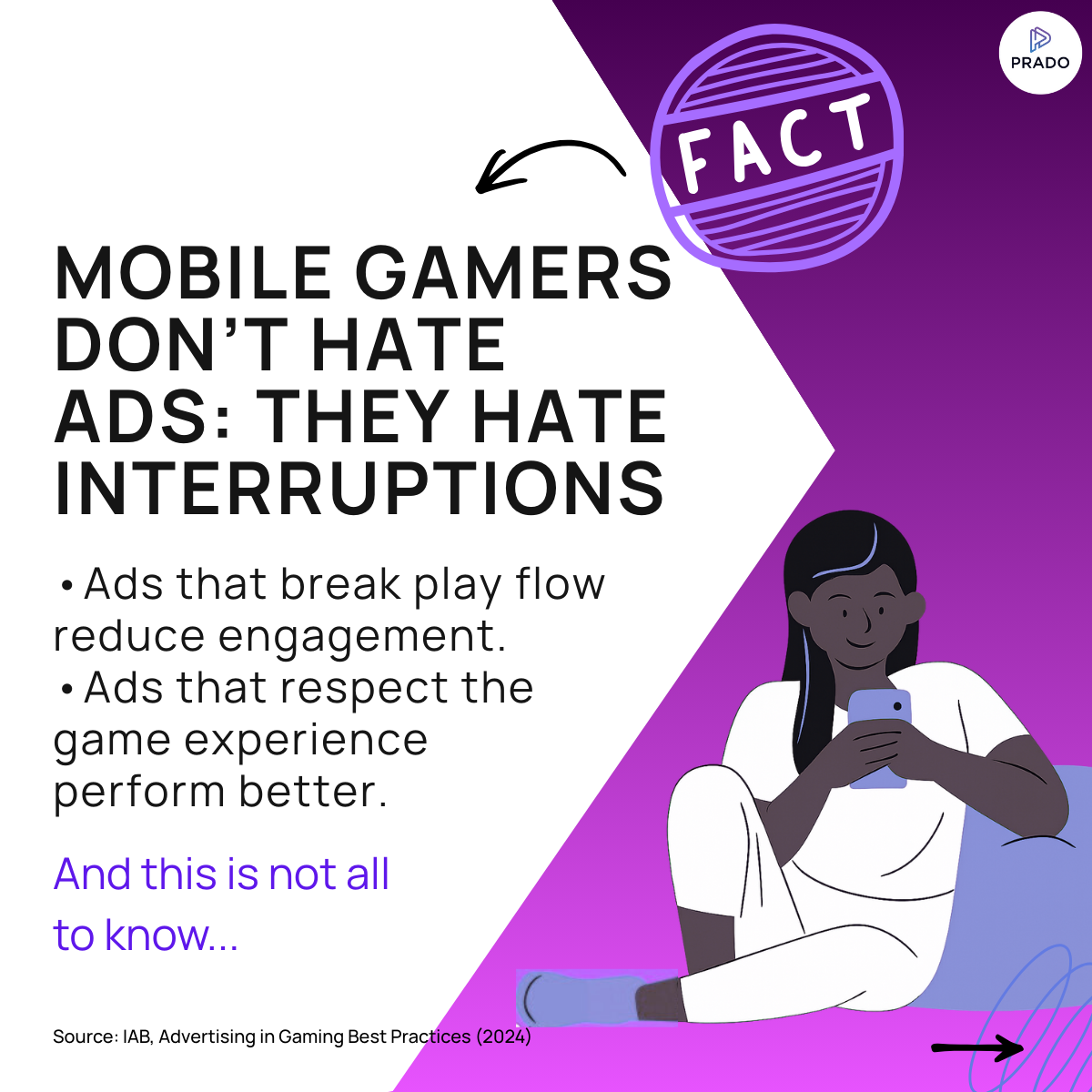
The reality is simple: mobile gamers don’t hate ads, they hate interruptions. Ads that disrupt play flow reduce engagement, while ads that respect the game experience consistently perform better. This principle is reinforced in the IAB’s Advertising in Gaming Best Practices, which emphasizes avoiding disruptive formats and aligning ads with gameplay moments whenever possible.
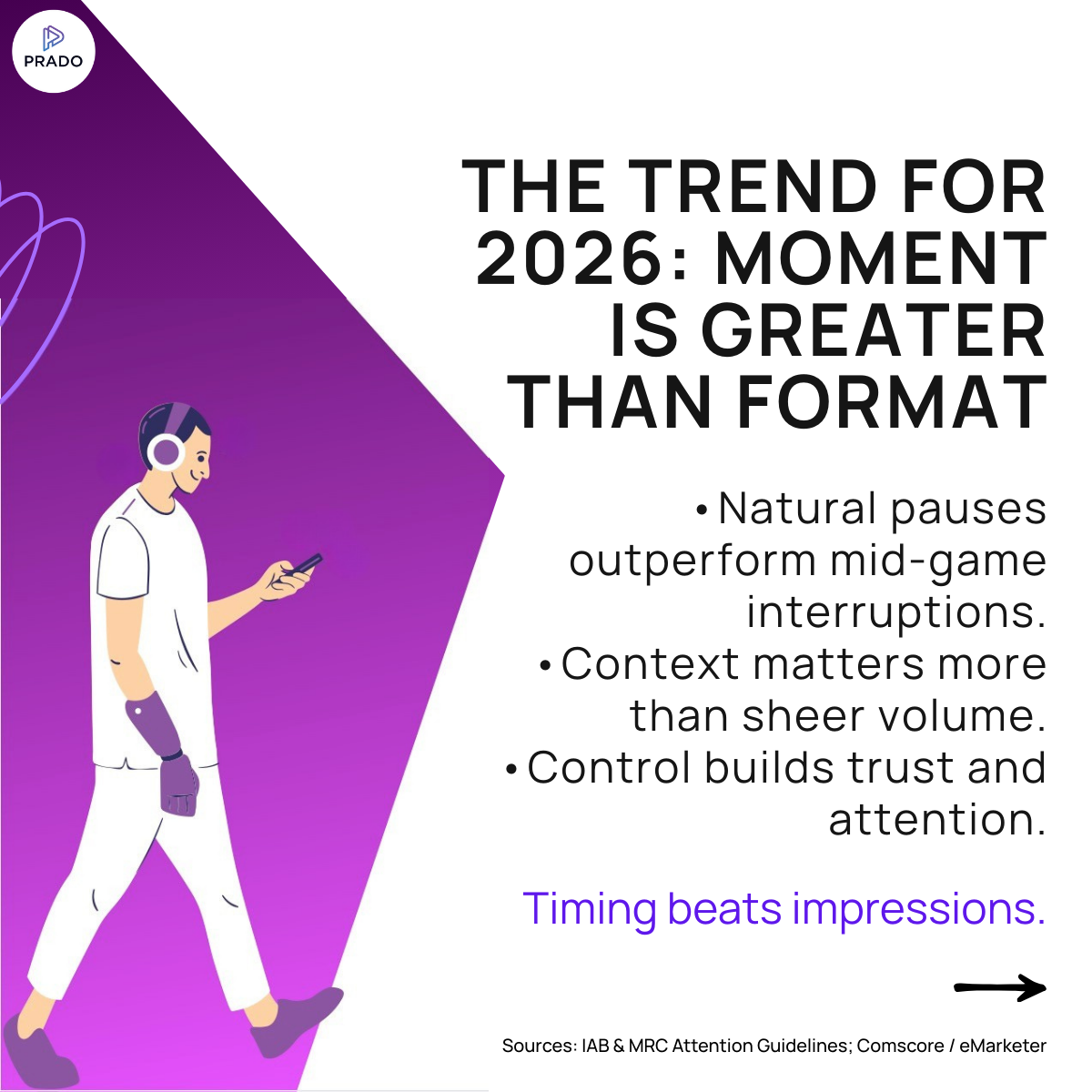
As the industry looks toward 2026, a clear shift is emerging: moment matters more than format. Research from the MRC Attention Guidelines and Comscore shows that ads placed during natural pauses outperform mid-game interruptions, contextual relevance drives stronger attention, and player control builds trust. In other words, timing beats impressions.
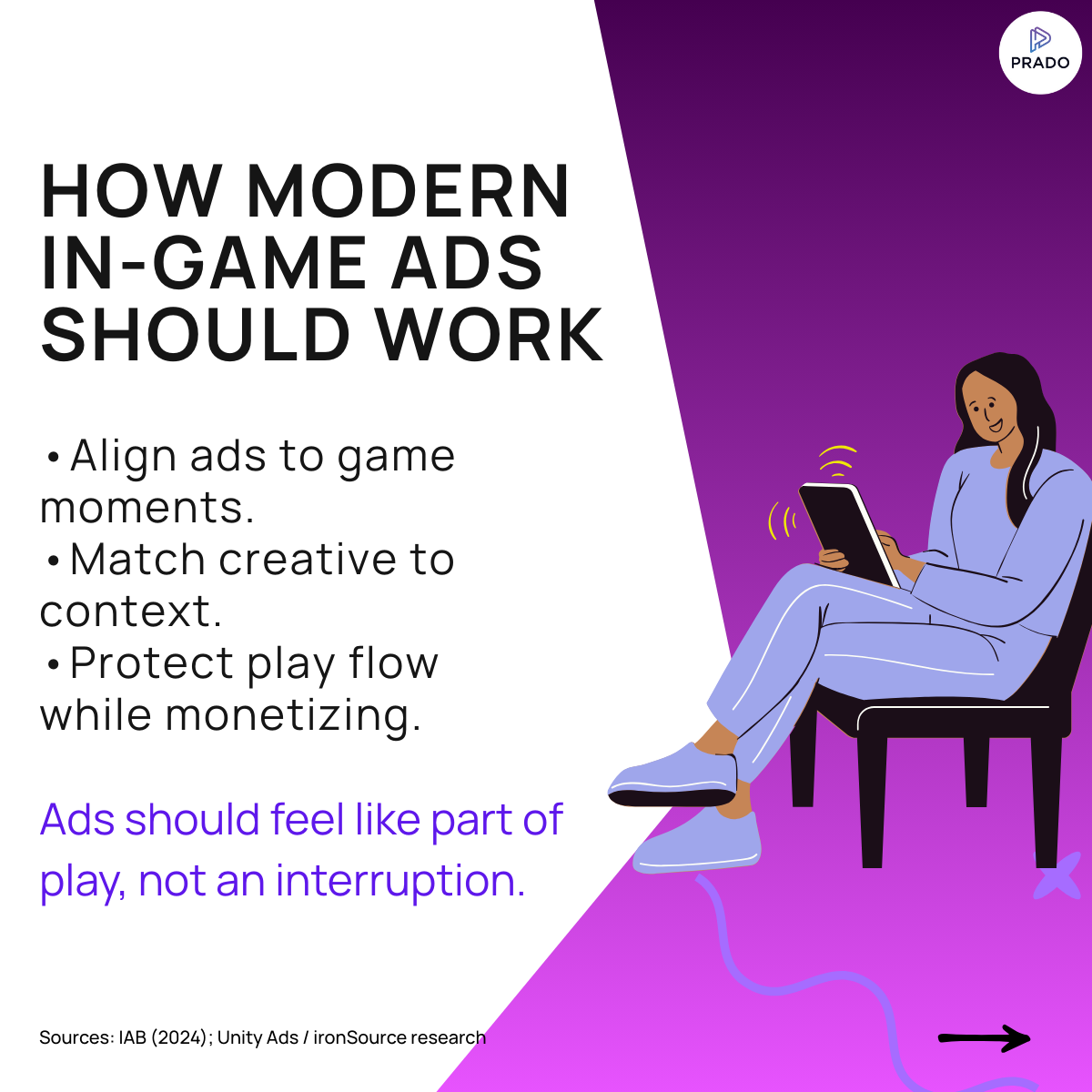
This has direct implications for how modern in-game advertising should work. Best-practice frameworks increasingly point to three core principles:
- Align ads to game moments
- Match creative to context
- Protect play flow while monetizing
These principles are echoed across industry research, including findings from Unity Ads and ironSource, which show that ads designed to feel native to gameplay environments deliver stronger engagement and brand outcomes.
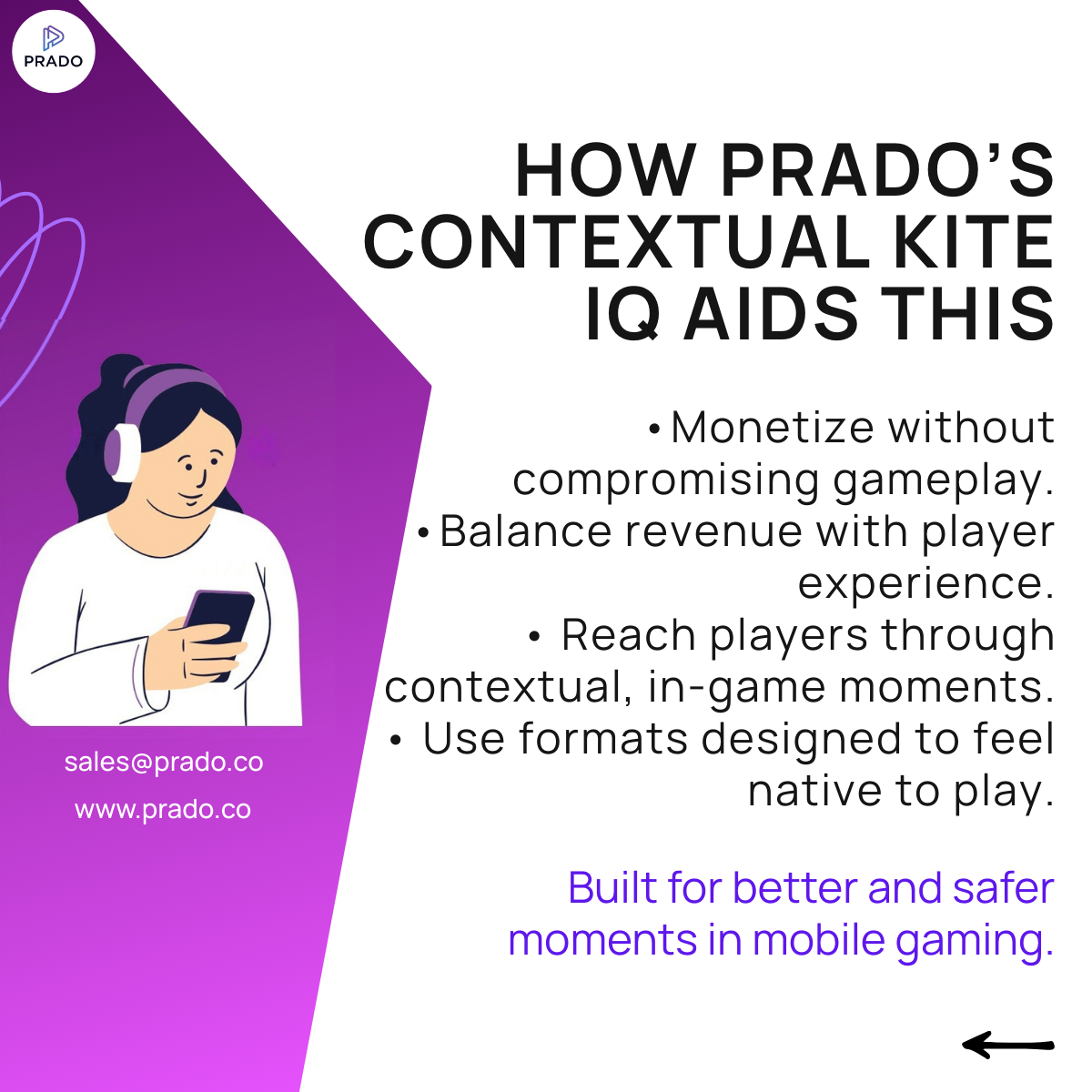
Prado is built around these experience-first principles. Through contextual intelligence, Prado helps publishers monetize without compromising gameplay and supports advertisers in reaching players through relevant, in-game moments using formats designed to feel native to play. The result is advertising that feels like part of the experience, not an interruption.


.png)


